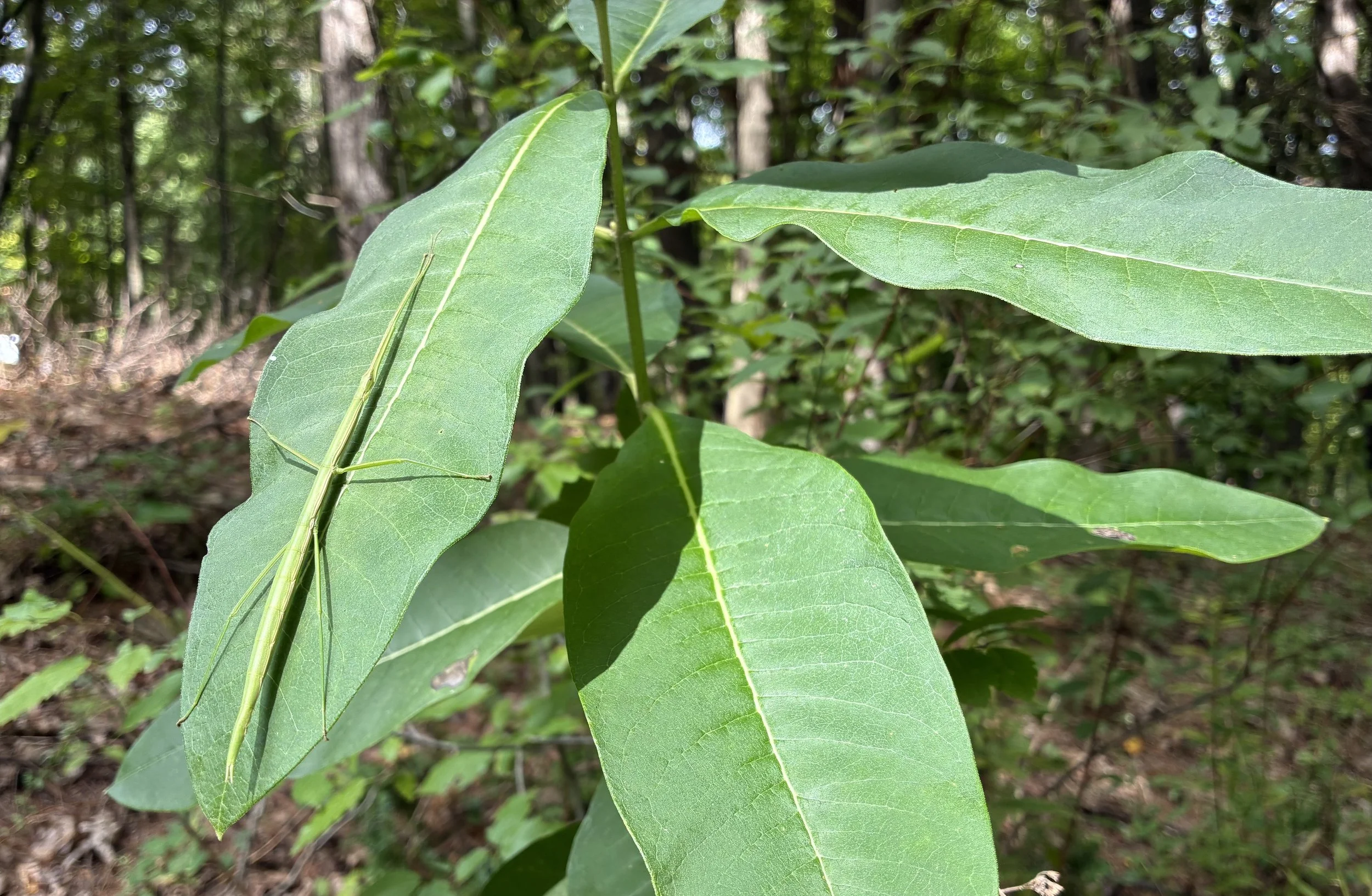
“The question is not what you look at, but what you see.”
— HENRY DAVID THOREAU
Upcoming Events
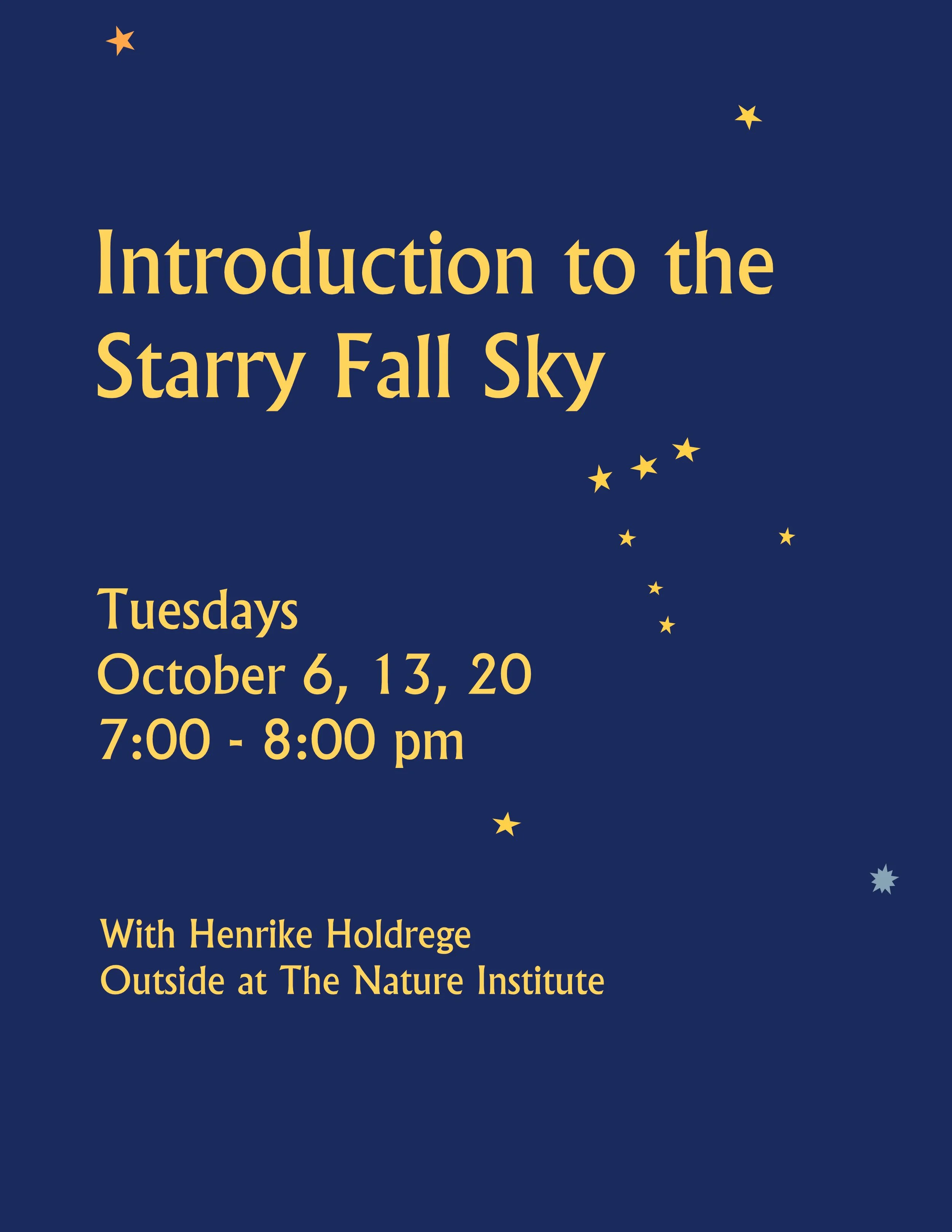
Introduction to the Starry Fall Sky
Outdoors with Henrike Holdrege
Tuesdays, October 6, 13, 20, 7:00 pm
Featured Article
“The Meaning-Filled Universe”
Emeritus researcher Stephen L. Talbott recently published an essay in The New Atlantis, where he reflects on the issues that arise from materialism and scientific determinism. Steve guides readers towards seeing the intrinsic meaning and interiority in the living world that surrounds us. This article picks up many themes from his recently published book Organisms and Their Evolution: Agency and Meaning in the Drama of Life.
All of Steve’s previous articles in The New Atlantis are also freely available on their website.
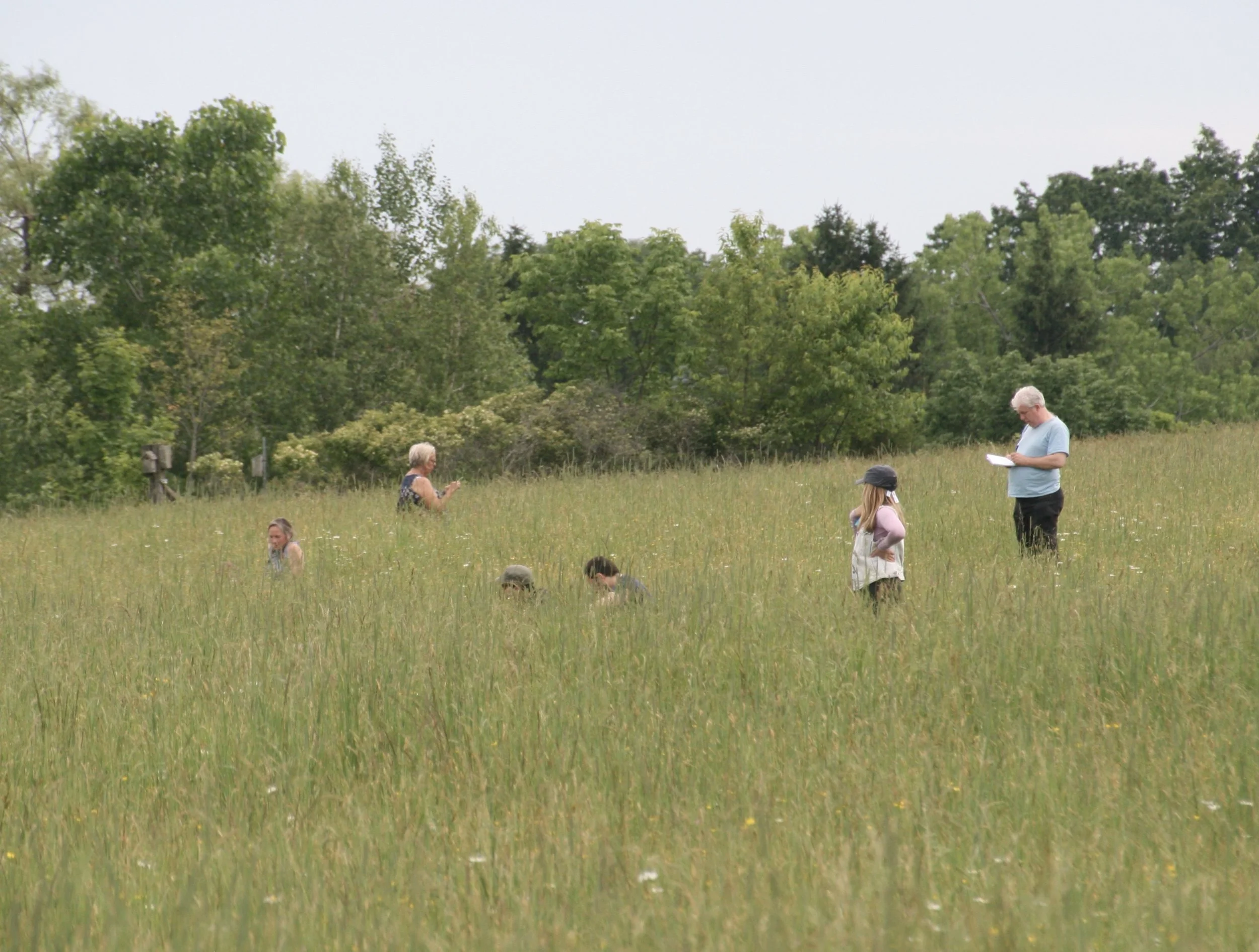
As a companion to the feature article "Beyond Boundaries: Thoughts on a Science of the Living," you can find a new podcast episode - a conversation between the authors, Jon McAlice and Craig Holdrege, with podcast host John Gouldthorpe.
They pick up and develop central themes from the article about the relationships and marvelously complementary distinctions between plants, animals, and humans.
This article was originally published in On the Earth We Want to Live and is now available in the Spring 2026 issue of In Context.
News From The Institute
Read here about recent staff activities at the institute and abroad including intensive workshops in Brazil, continuing work on climate research and education, a conference in Washington, D.C., a colloquium in California, and sharing Goethean practices with Waldorf teachers in New Zealand.
About the work of The Nature Institute — In a rare interview, recorded in Brazil, Henrike and Craig Holdrege speak of their transformative work and the Goethean perspective that has long inspired it. This Q & A followed a two-week course, “Seeing Nature Whole,” that the Holdrege’s have frequently taught each December in Florianópolis.
>>ONLINE COURSE<< Cultivating an Experiential Understanding of Self and World: An Introduction to a Goethean Way of Science
With John Gouldthorpe
Series II: “Becoming Human: The Upright Posture” (November and December 2026)
Sliding Scale $120-$360 [Series I is a prerequisite for Series II.] Register here.
Latest Publications
In Context: Spring 2026 Issue
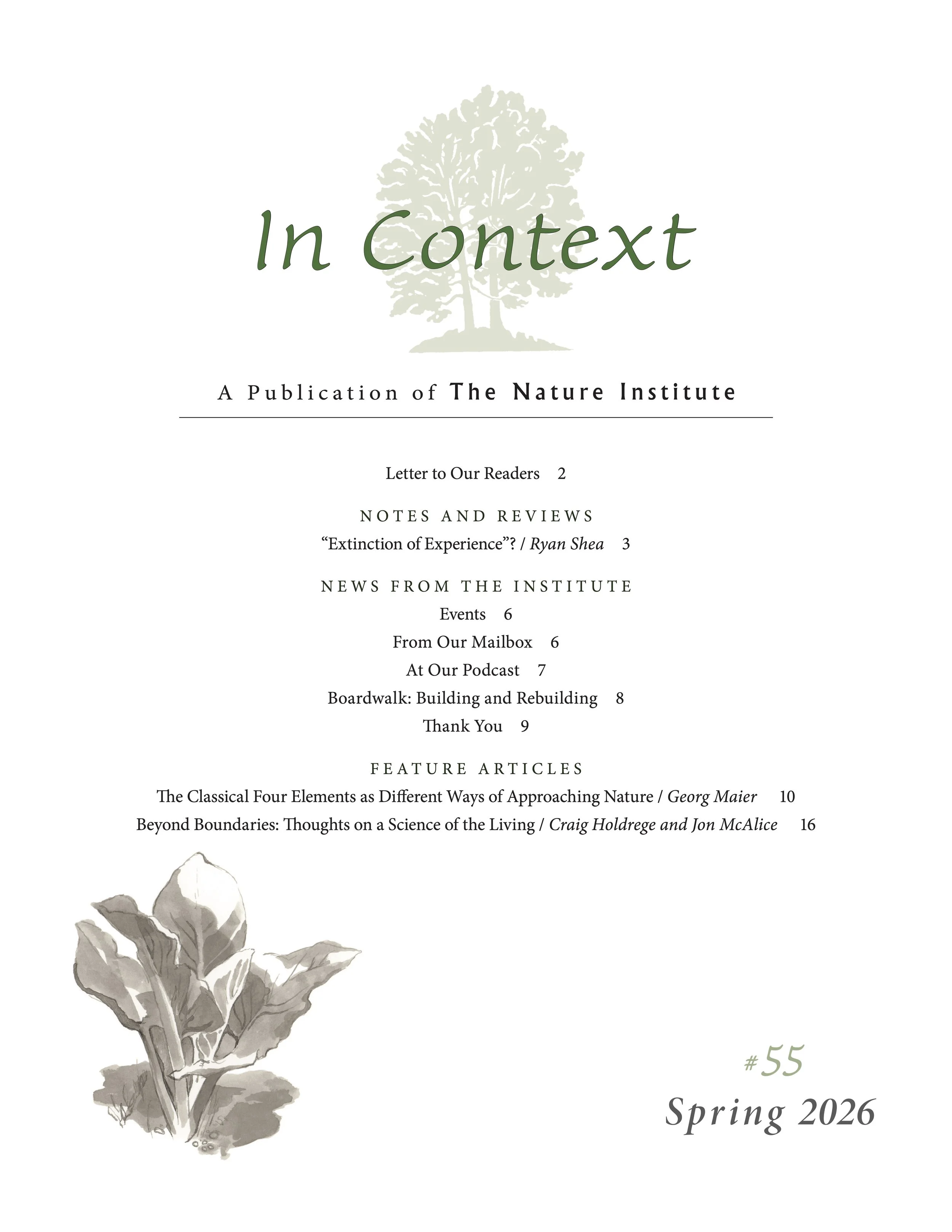
The Spring 2026 issue (#55) of our biannual publication, In Context, is now available in print and online. New writings include Georg Maier’s essay on the four elements as modes of embeddedness, Craig Holdrege and Jon McAlice’s “Beyond Boundaries: Thoughts on a Science of the Living,” and news of our many activities, including the rebuilding of our wetland boardwalk.
New Video
Is the Earth Alive?
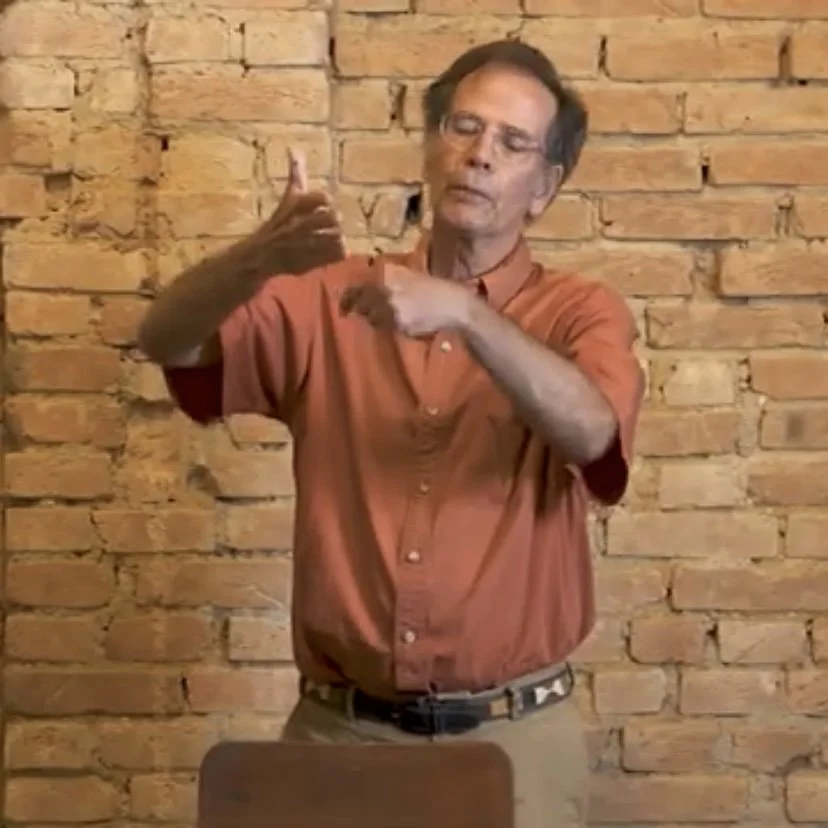
Craig continues to develop and share his ongoing work to think in a new way about the entire planet as a living whole. In November 2025, he held a workshop at Escola Schumacher in Sao Paulo, Brazil on this topic. They have made his opening talk available on their Youtube channel.
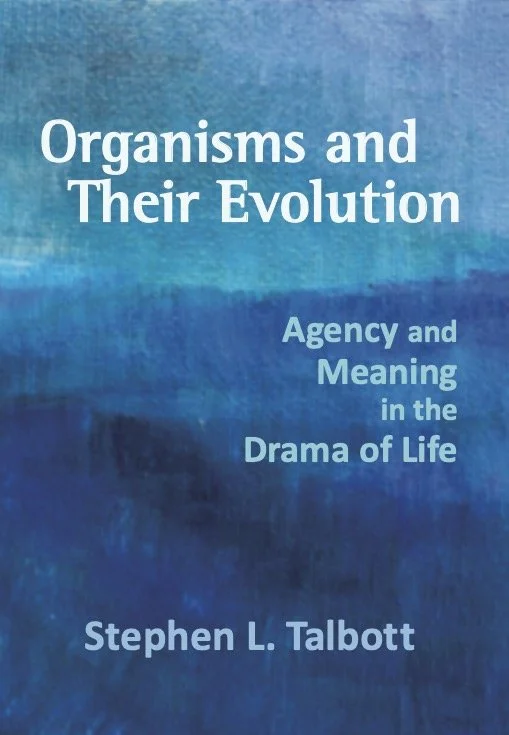
Our online Bookstore offers titles from our faculty and other Goethean authors whose work we value. We encourage you to browse or contact us with any questions.
Other Research and Resources

In addition to publishing our staff’s work relating to Goethean Science and Phenomenology on this site, we also periodically showcase the work of others in the field. A new such addition to our Writings By Author section is the work of Mark Riegner PhD, who taught Ecology and Evolution for 35 years at Prescott College in Arizona, and has authored four insightful articles that you can link to from here.

From a Reader…
Dear Craig,
Once again I’m introducing papers from The Nature Institute website, this time for a HS botany course, and I’m just so grateful for your work (and Steve’s) and that a resource like yours exists. …I appreciate so much those who approach science thoughtfully, with open minds and hearts. It has lit a fire in several students over the years, and helped to humanize even those who are not especially otherwise interested in science.
- Executive Director, Waldorf High School