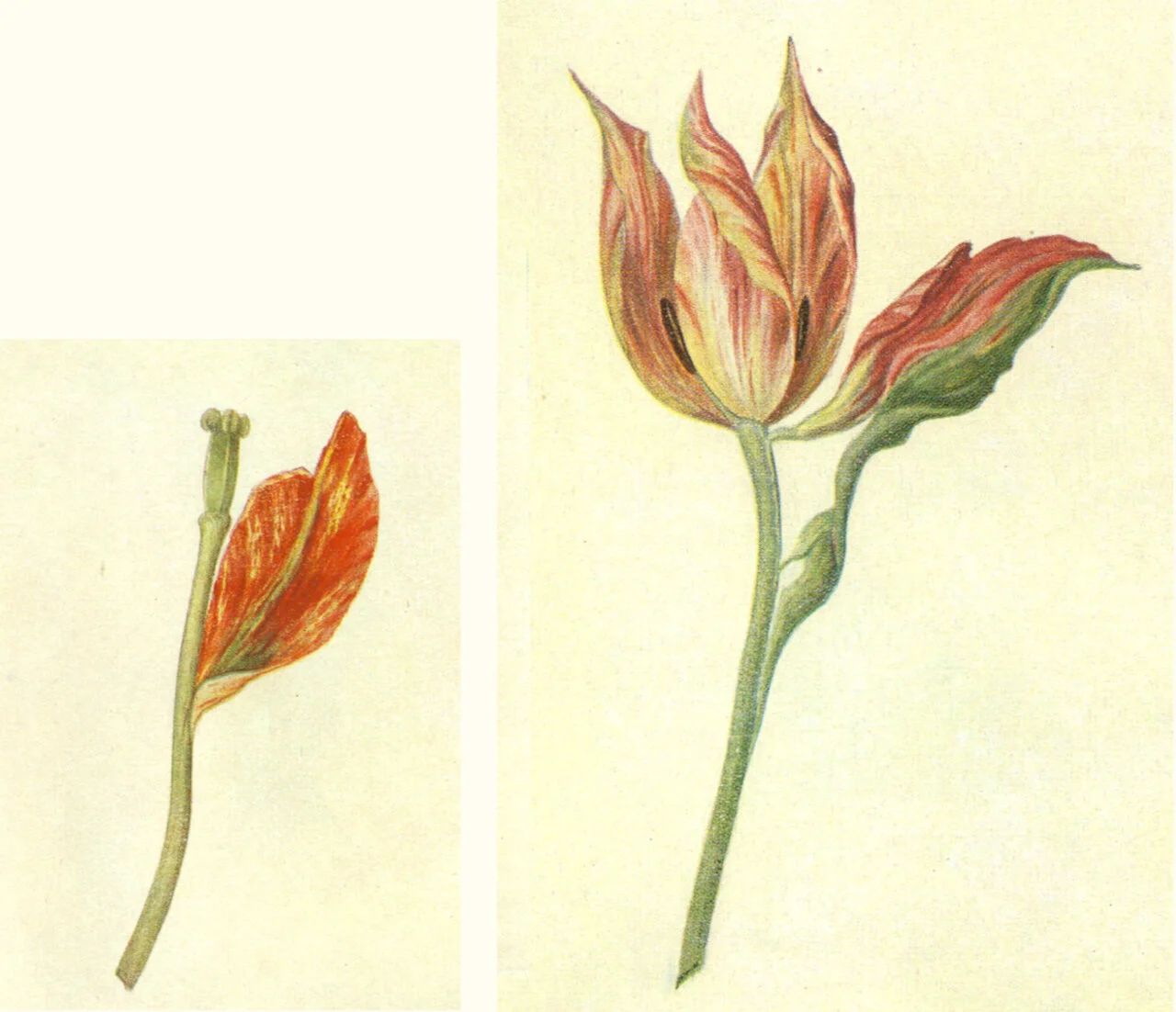
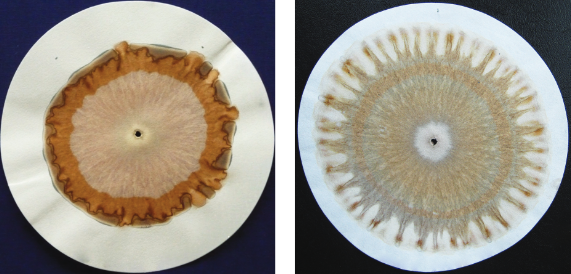
The Nature Institute has developed an approach to nature that is contextual, qualitative, and holistic — what we often call “Goethean science,” a mode of inquiry that the poet and scientist Goethe exemplified.
Curated Topic Collections
Below are research article selections curated by our staff and research fellows
This work is inspired by a scientific approach that has its roots in the research and writings of poet and scientist Johann Wolfgang von Goethe (1749–1832).
The articles you will find here do not offer profound new discoveries in biology, and do not argue for any point of view requiring new evidences — although you will probably encounter much that you are not familiar with. We will merely ask ourselves, “What are contemporary researches showing us?” Our aim will be to acknowledge without philosophical reluctance what the unquestioned evidences have been telling us — shouting at us, really. We will try to look with new eyes at what everyone can see, and to take seriously even what the intellectual biases of our culture or our personal training may tempt us to ignore. The result is a set of resources unlike any you can expect to encounter elsewhere in the world of biology today.
Research into the holistic nature of organisms has large implications for the way we think about evolution. By appealing to mutation and natural selection, Darwinian evolutionary theory tends to “explain” (construct evolutionary stories about) the evolution of adaptive characteristics in isolation from the rest of the organism.
The Nature Institute's contextual, qualitative approach to the study of organisms and heredity reveals the broader story of an organism, its interplay with the environment, and its relation to human society, vividly illustrating the limitations and dangers of single-target technological “solutions” to complex problems. Through our scientific research, publications, educational activities, and international collaborations with colleagues, we raise awareness of the limitations of a gene-centered understanding of life.
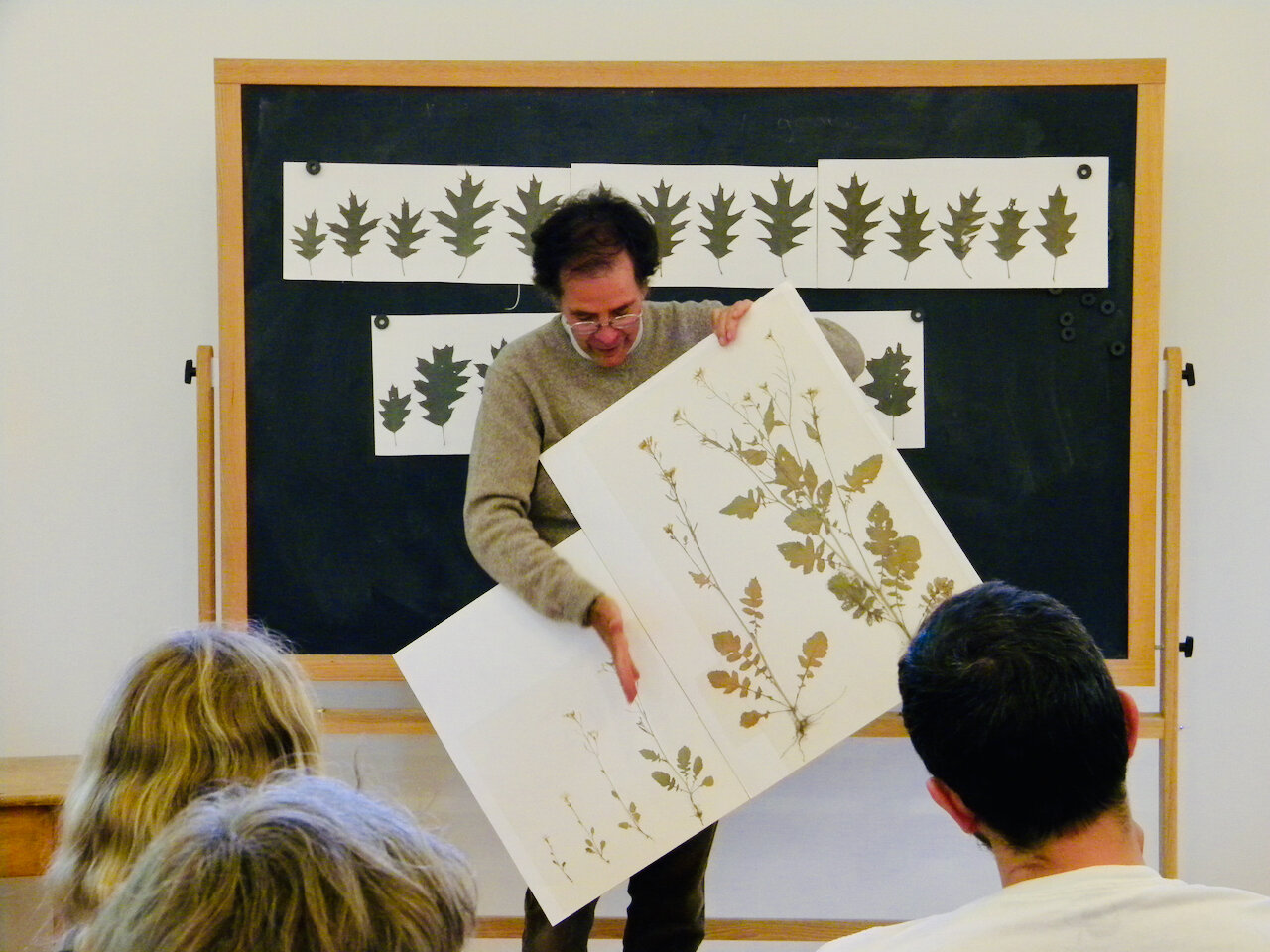
We believe that science education is all about helping students develop their capacities of observation and thinking as tools for understanding and participating in the world. It is not primarily about conveying a body of past knowledge.
The growing movement for sustainability education often excels in teaching a wealth of information about urgent issues such as climate change or decreasing biodiversity. But a critical gap remains — helping students attune hearts, minds, and hands to the vast wisdom of nature. Such attunement is the necessary foundation for perceiving the issues in their broadest contexts and for evaluating what fruits human actions will bear in the long term.
Here we provide you links to the work of previous colleagues and other researchers, as well as areas of research we are no longer actively pursuing. You will also find links to a bibliography and related organizations.